


Linia Izei
An out-of-service railway station on Line 409 is being transformed into a contemporary art center with a year-round program, a café run by someone from the village, artist residencies, and works that remain on the platform after the exhibition closes. The Iza Line is a form of cultural positioning before it is a place.

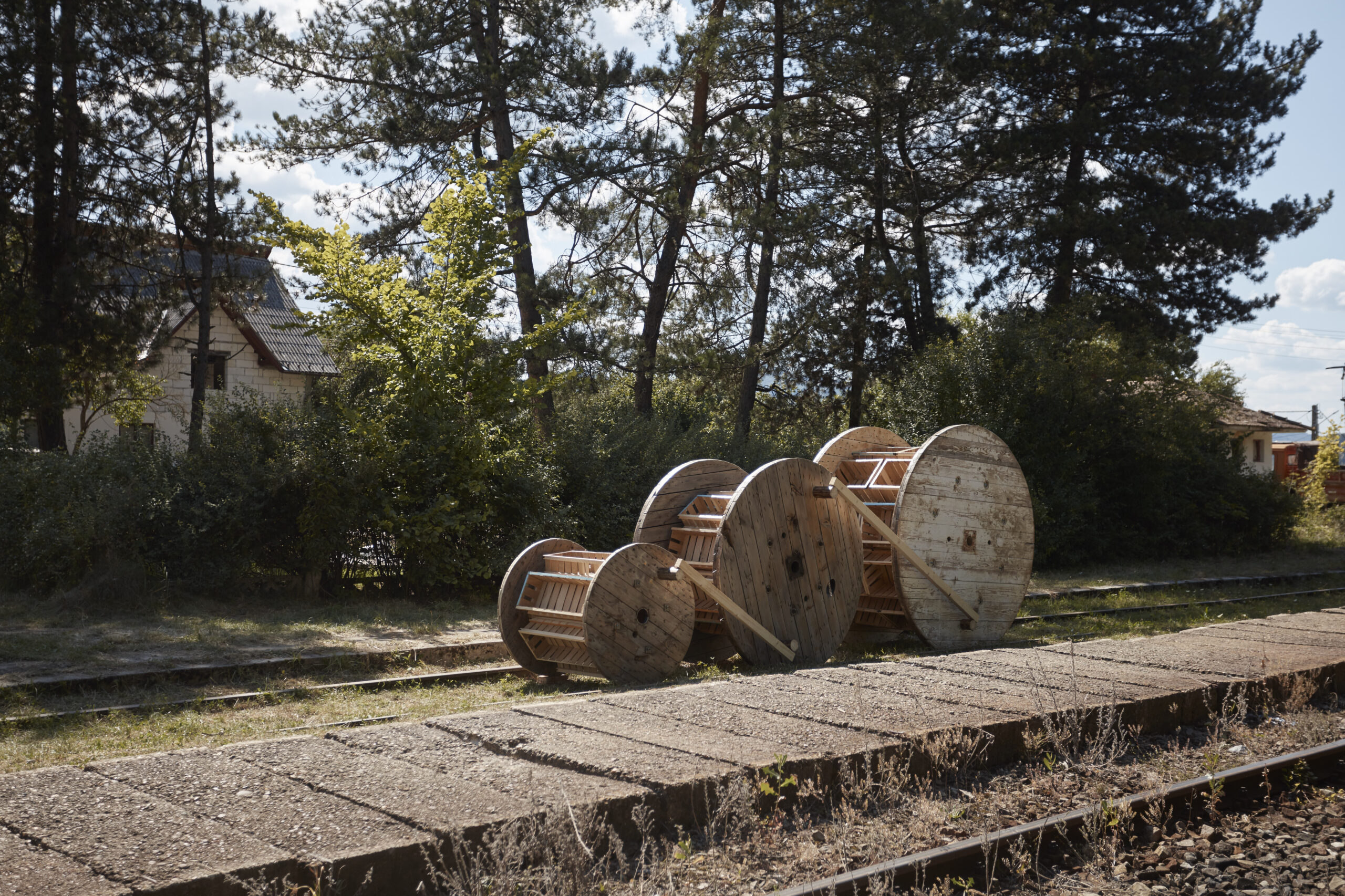
The Platform
What begins as a set of site-responsive commissions is intended to settle, over time, into a lasting presence: works that remain where they were made, that continue to address the landscape and the community that gave rise to them, and that keep the former halt in circulation as a place where the valley’s inhabitants and visitors from elsewhere meet around something made in common.
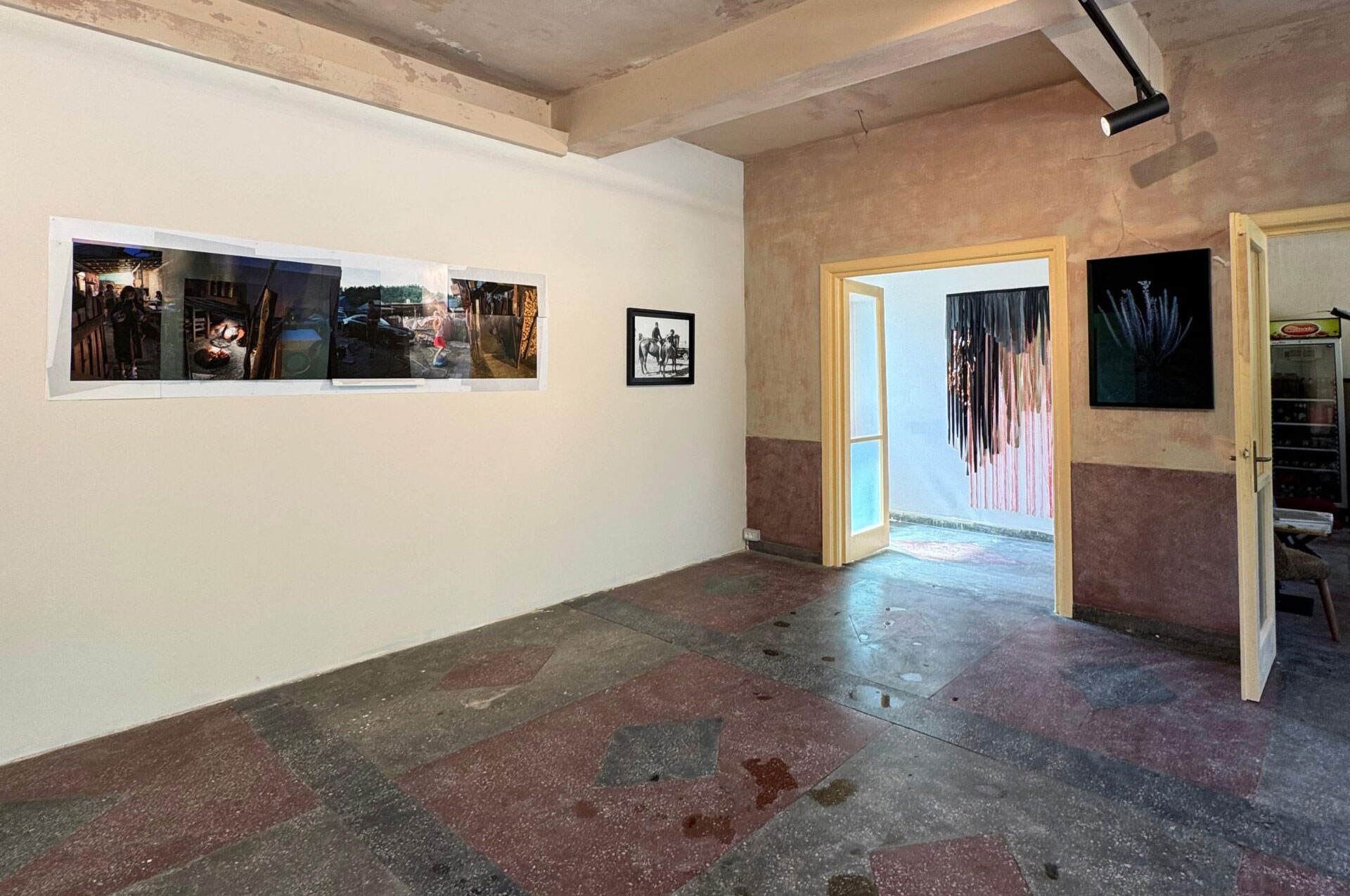
Exhibitions Room
What the exhibition brings into question is precisely this gap between the visible infrastructure, which can be abandoned by an administrative decision, and the embodied infrastructure of which AbdouMaliq Simone writes under the formula people as infrastructure, where the function of transport, of connection, and of maintenance migrates into relations and into repeated gestures once the material support withdraws.
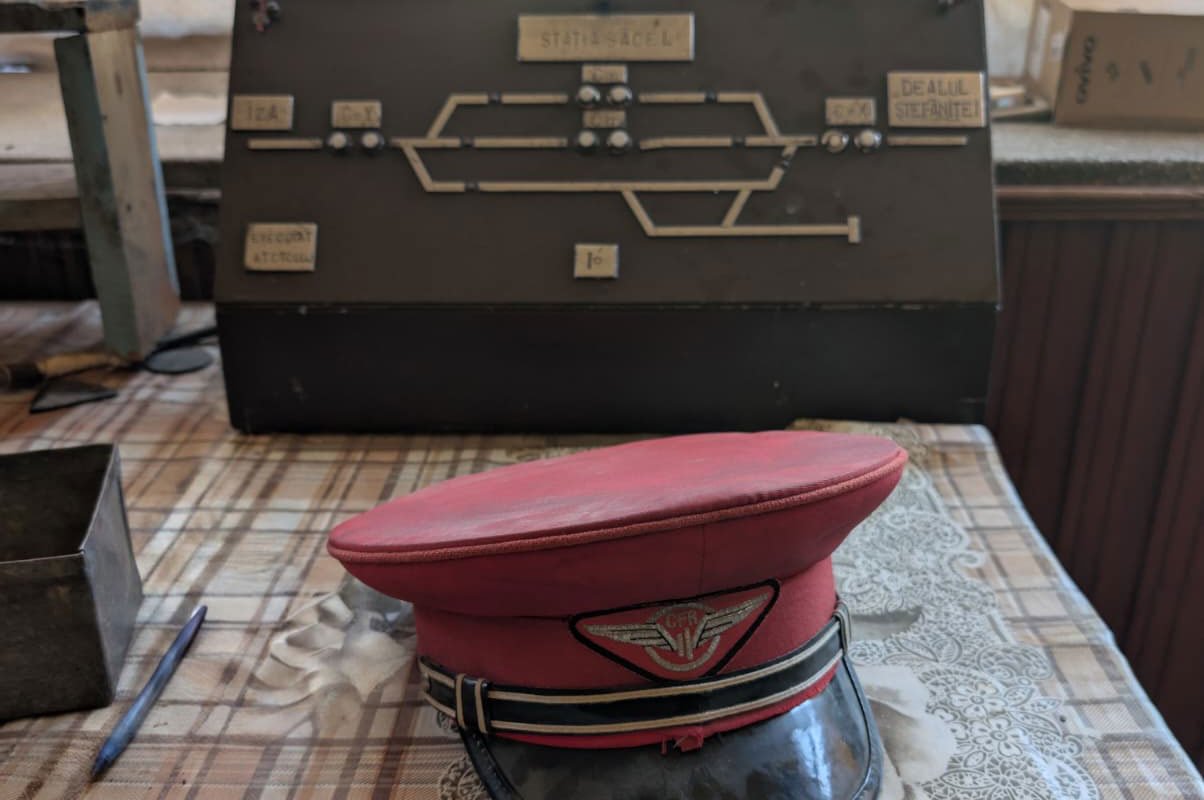
Technological Museum
The restoration of the station building, itself part of a history of railway technology, constitutes the Technological Museum’s first exhibit: the surviving signalling structures, the traffic controller’s post, and the inter-station communication installation become objects displayed in situ, rendering visible the successive technological layers of the station’s operation.
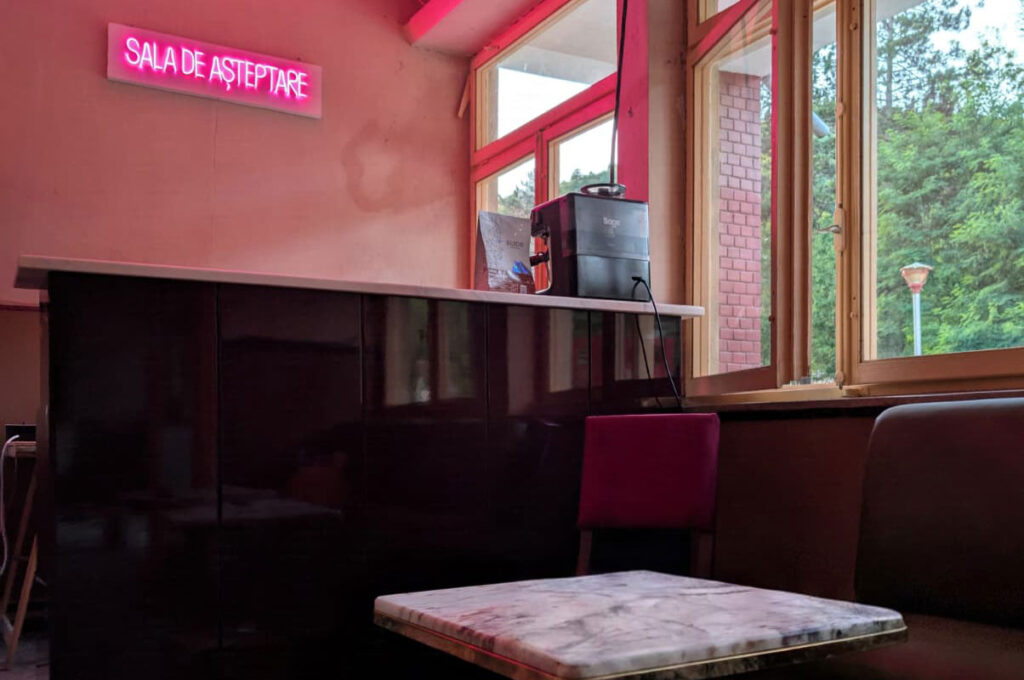
The Waiting Room
The Waiting Room / Camera de Așteptare, the first specialty coffee house on the Iza Valley, set up in the station’s former waiting room. Here, visitors will be welcomed by Ileana Grad, a Săcel local currently training in Bucharest as a barista, who will become the custodian of the exhibition space and the first person that artists and visitors encounter.

About
The Iza Line takes up the railway route of Main Line 409, between Salva and Sighetu Marmației, and reads it as a technical extension of the watercourse that gives the valley its name, so that the reconverted halt at Săcel becomes a node of passage within a network that cannot be reduced to railway infrastructure, overlapping conceptually with the hydrographic network of the place — the Iza together with the adjacent streams already mapped in the Josephine surveys — and with the bodies that, following Astrida Neimanis, constitute themselves through circulation, as waters forever in transit from one body into another.

Artist Residency
The renovation of the station is directed at reactivating the interior spaces of the station, which will become residency spaces for artists, among them the former apartment of the traffic controller; these are fitted with everything required, such as a meeting space, a kitchen, and a bathroom — functional for the first time in the station.
Documentary Lab
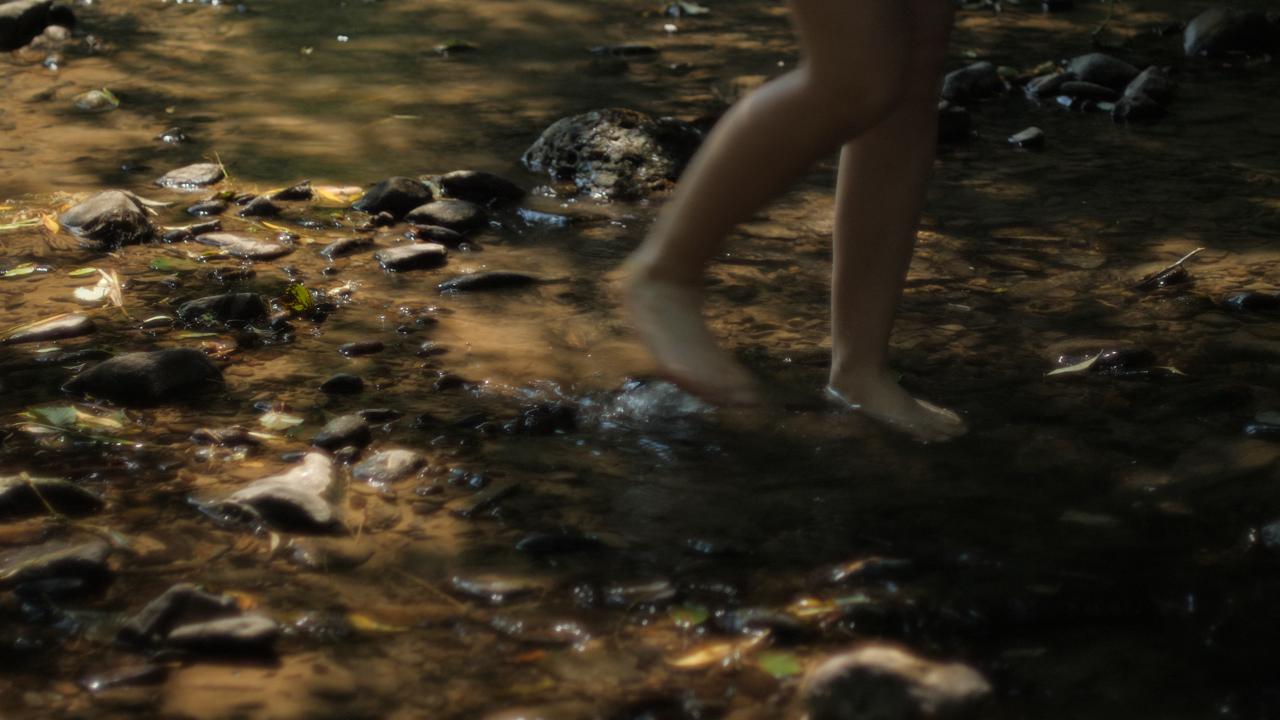
The Documentary Lab is the working nucleus through which Gara Săcel produces its own record, a space given over to film, photography, sound recording, and oral history, where the material gathered on the site is treated as a practice oriented toward the testimony of those who worked the line, toward the craftspeople and toward the soundscape of the valley that goes on sounding after the trains have stopped.
Cinema at Linia Izei
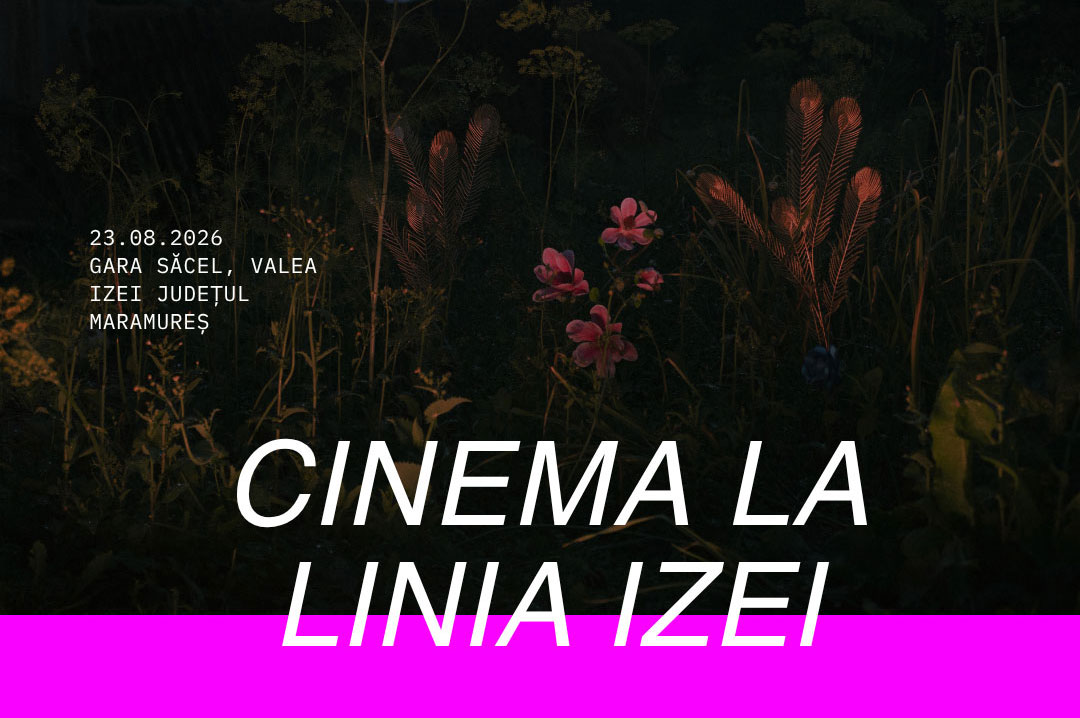
The open-air cinema in Săcel extends the station’s transformation beyond its architectural restoration, activating the former railway site as a shared cultural space in which movie screenings and collective forms of viewing and engaging reconnect the building with the social life of the village and introduce a new layer of use into a place historically defined by transit and waiting.