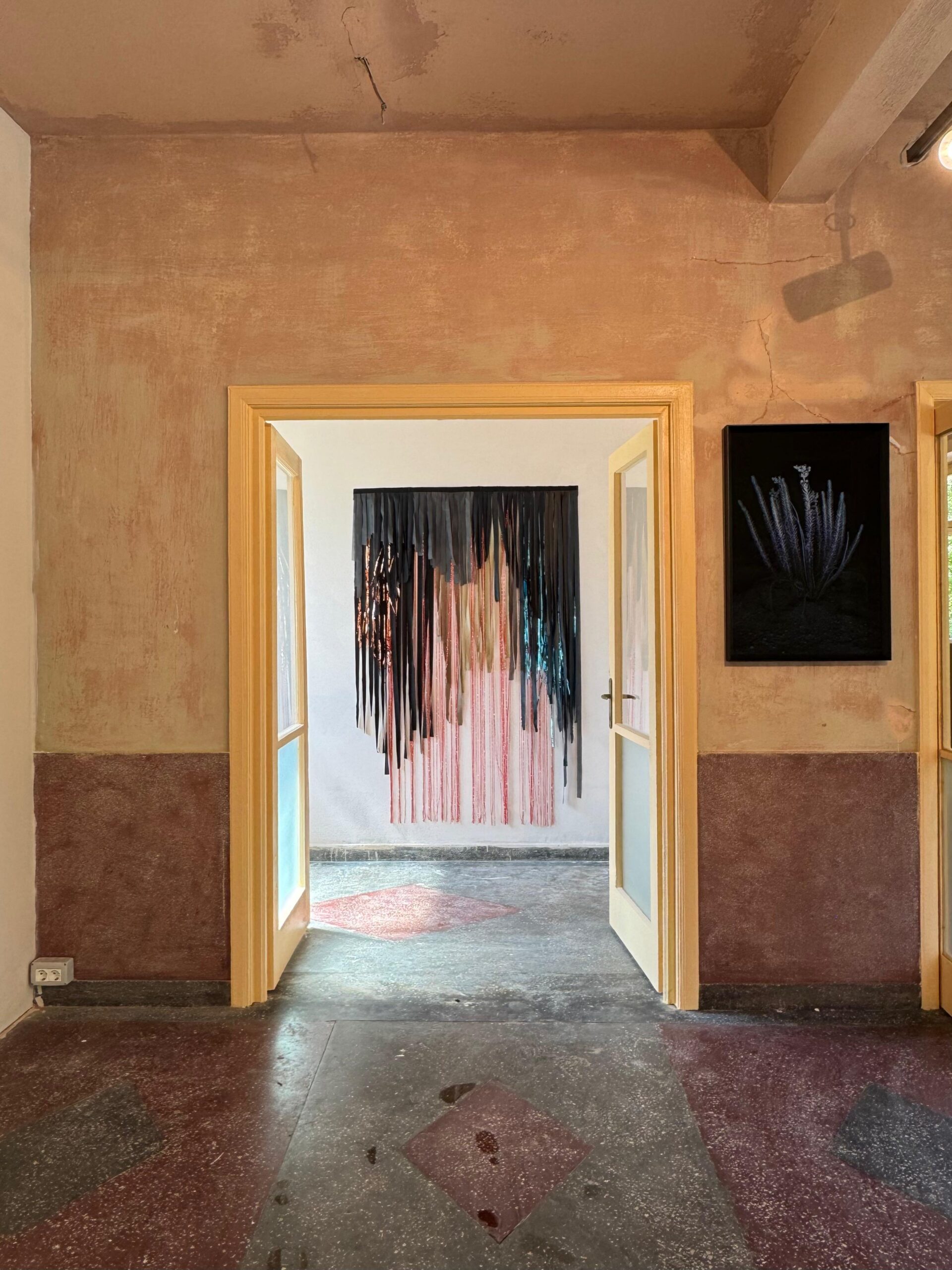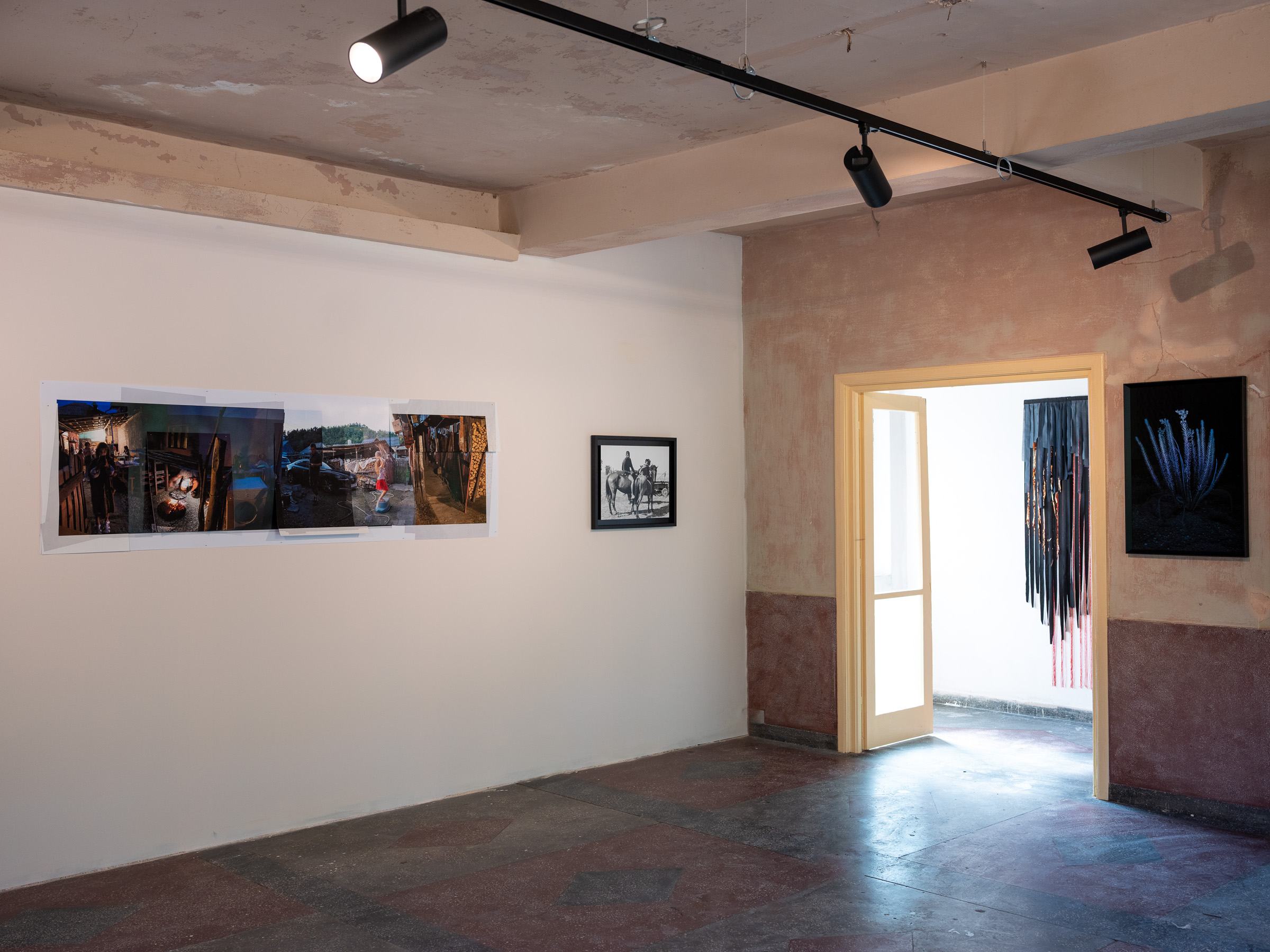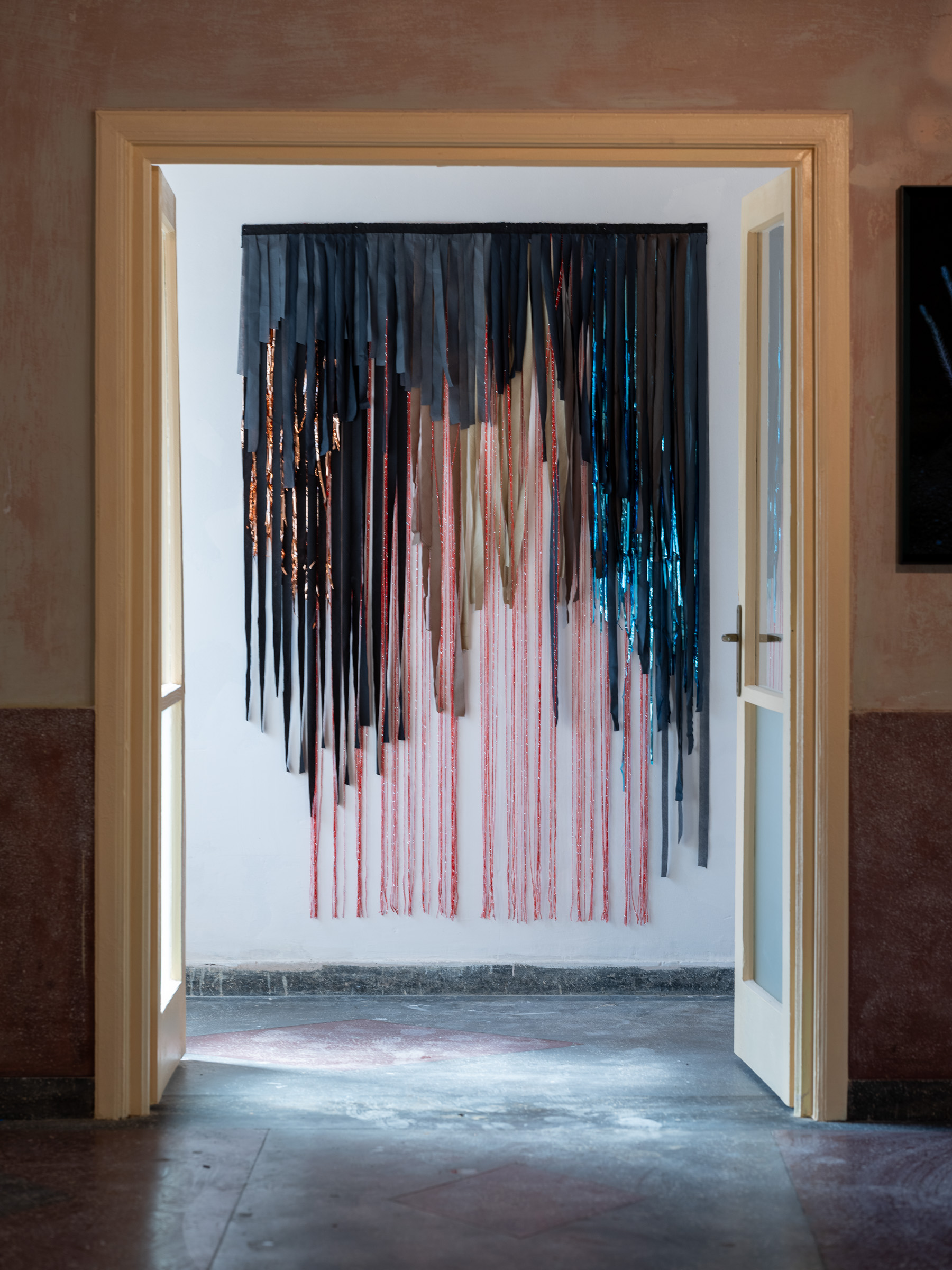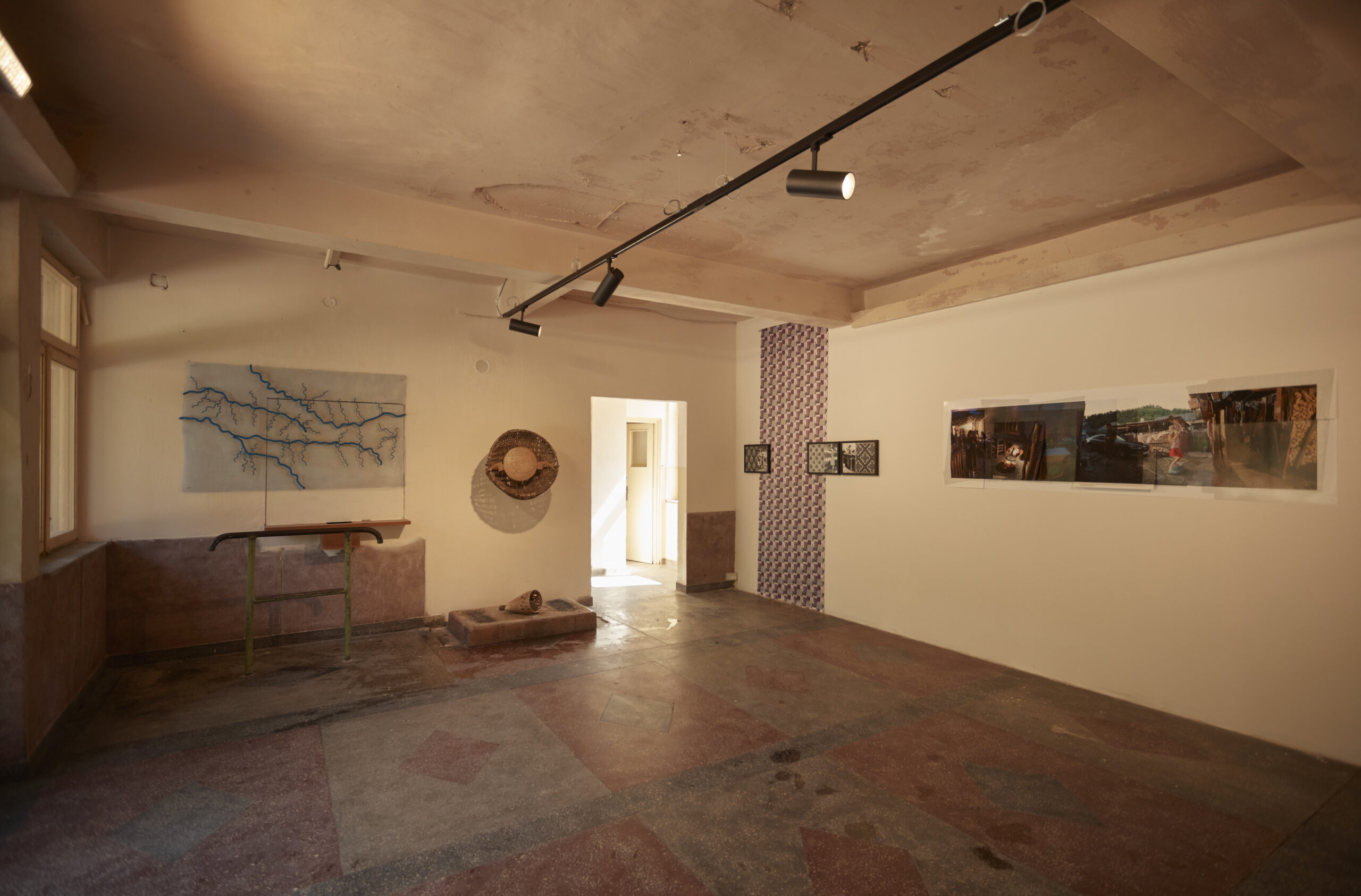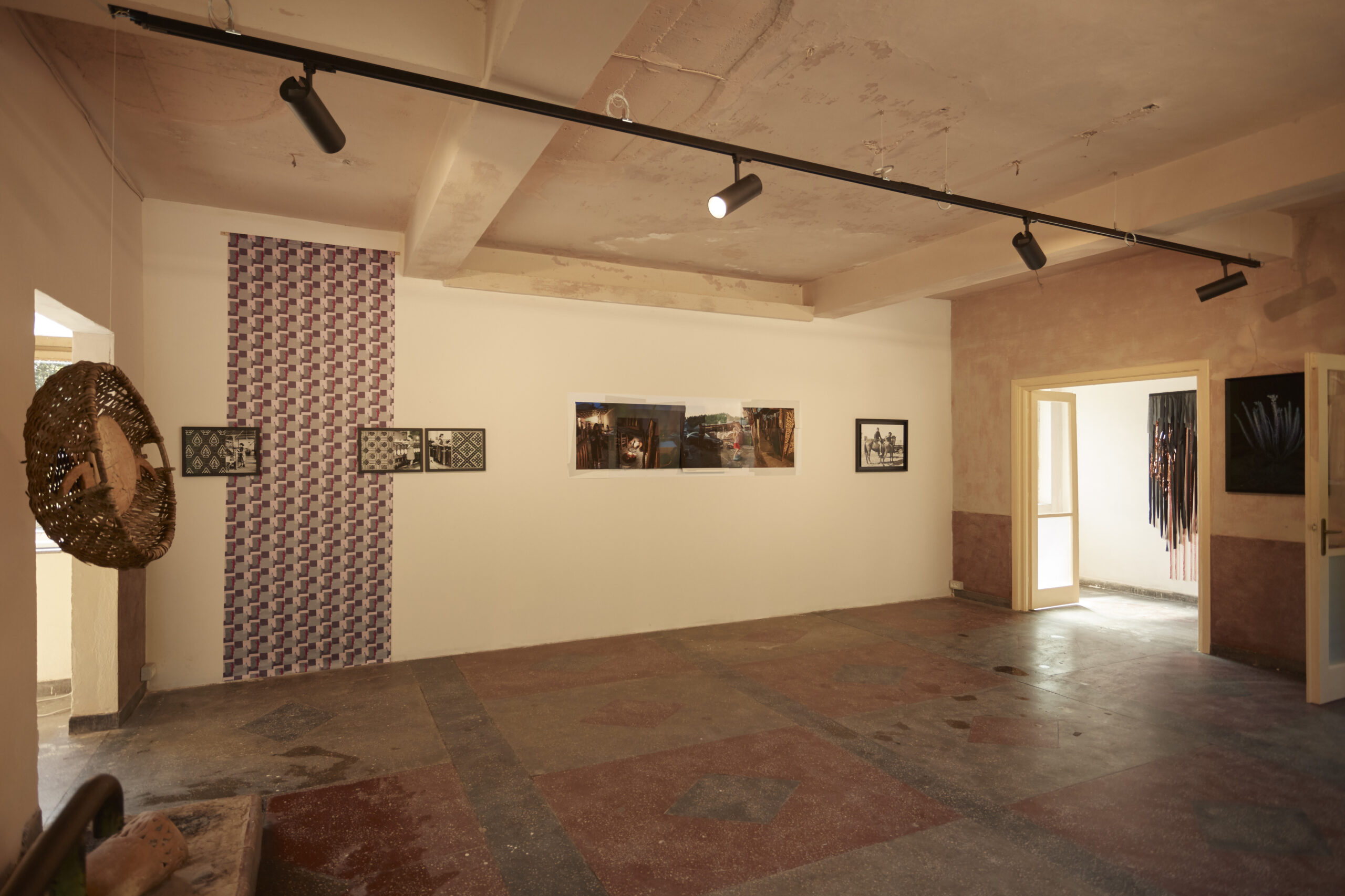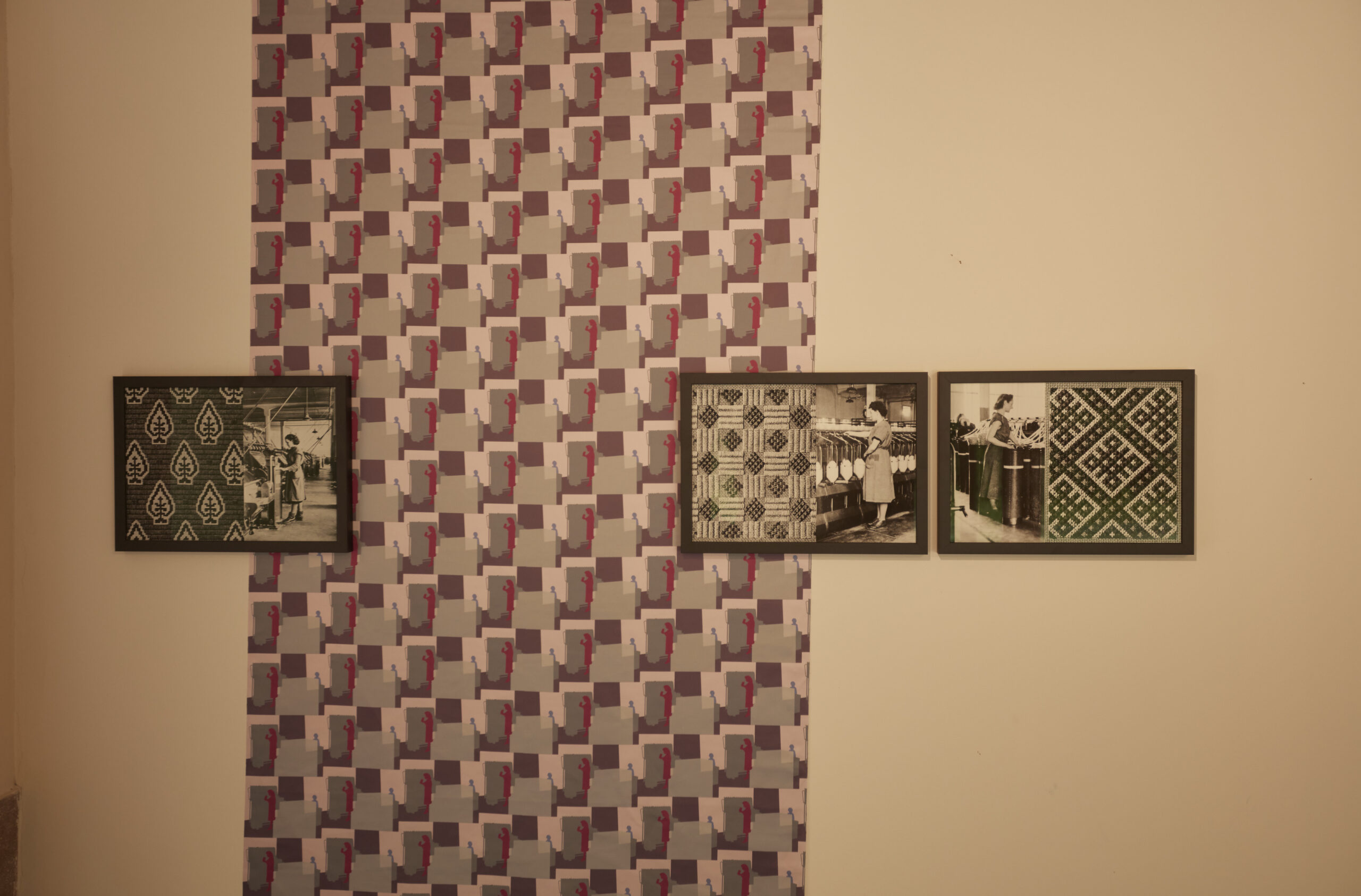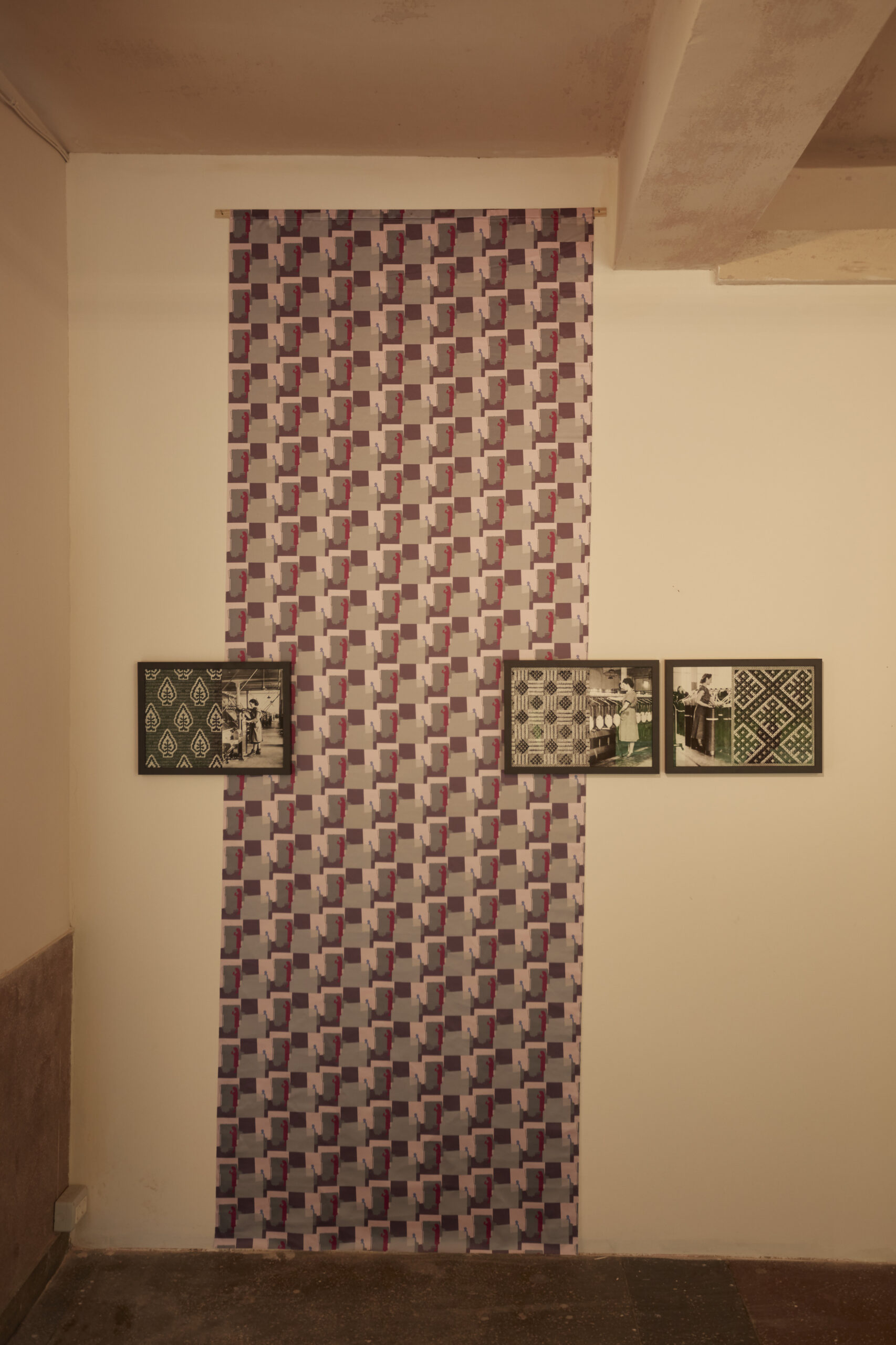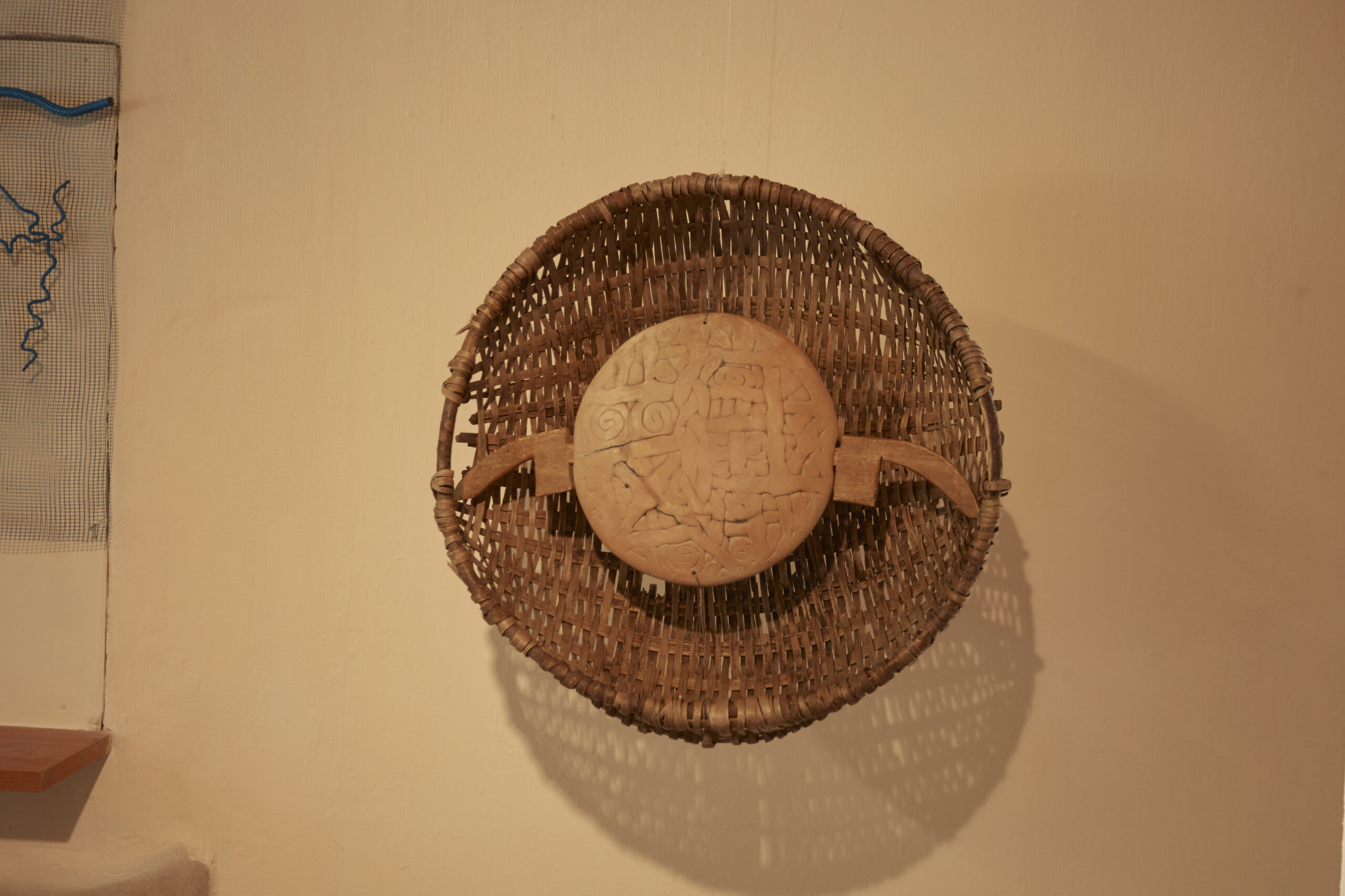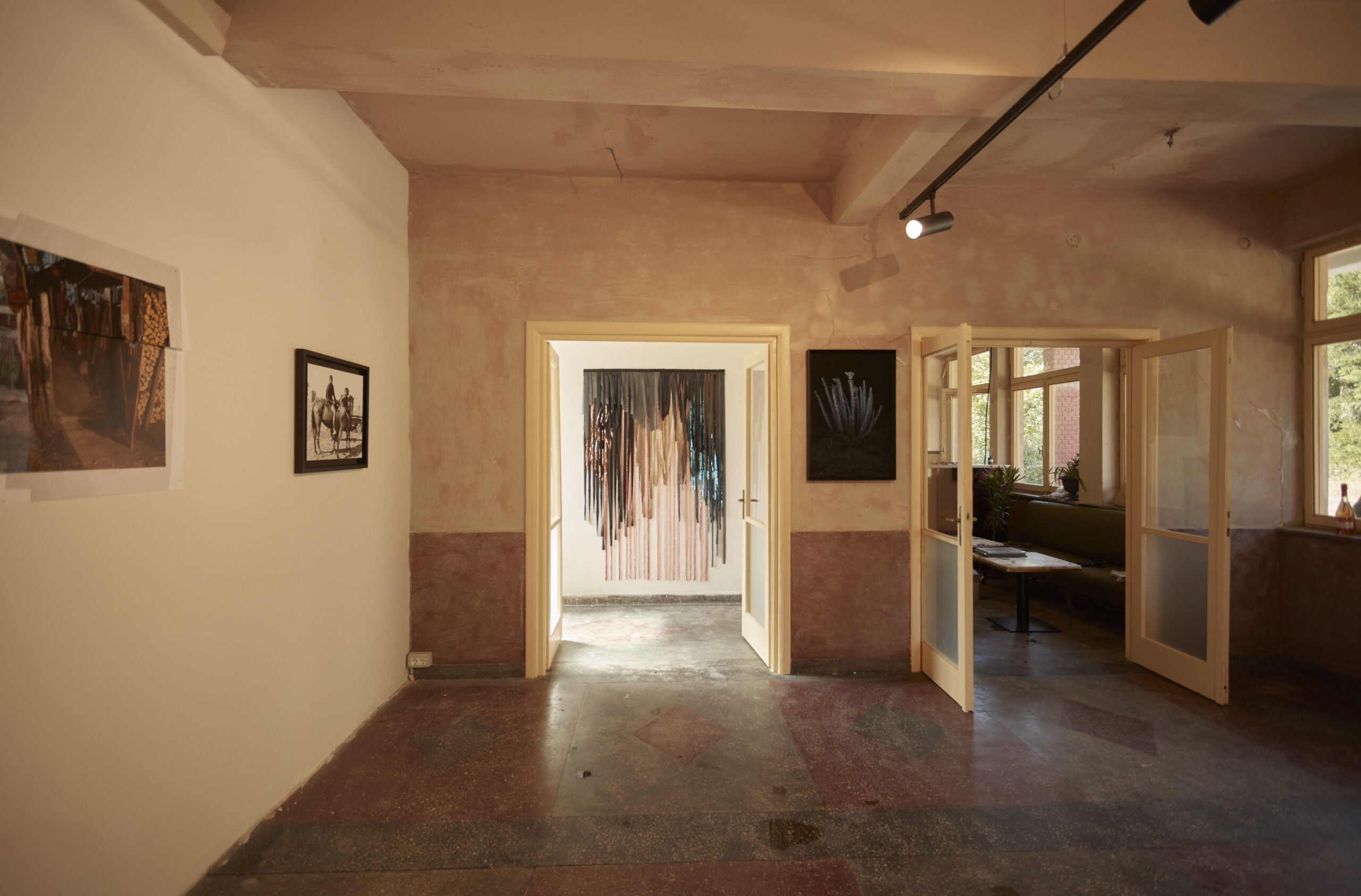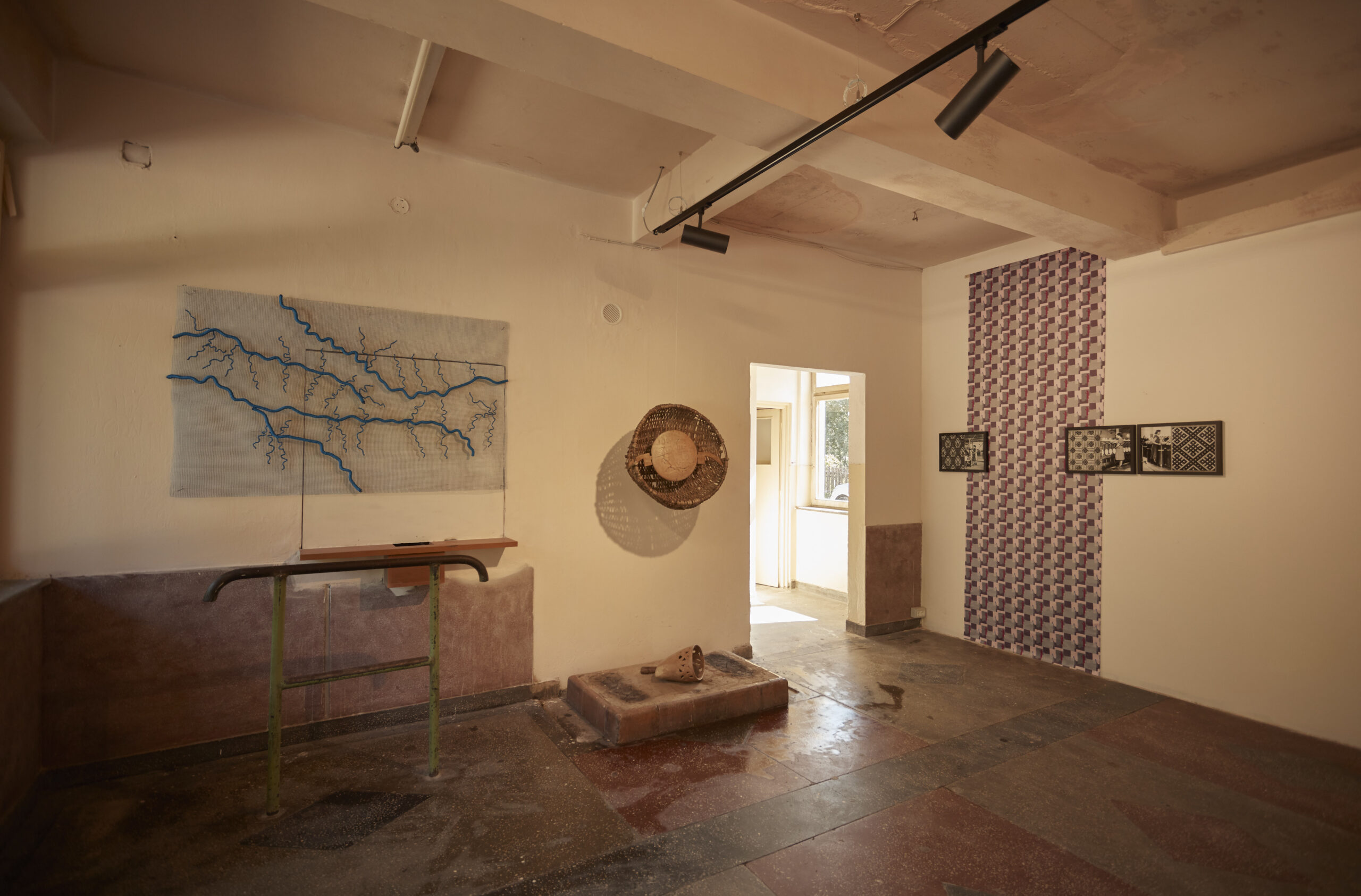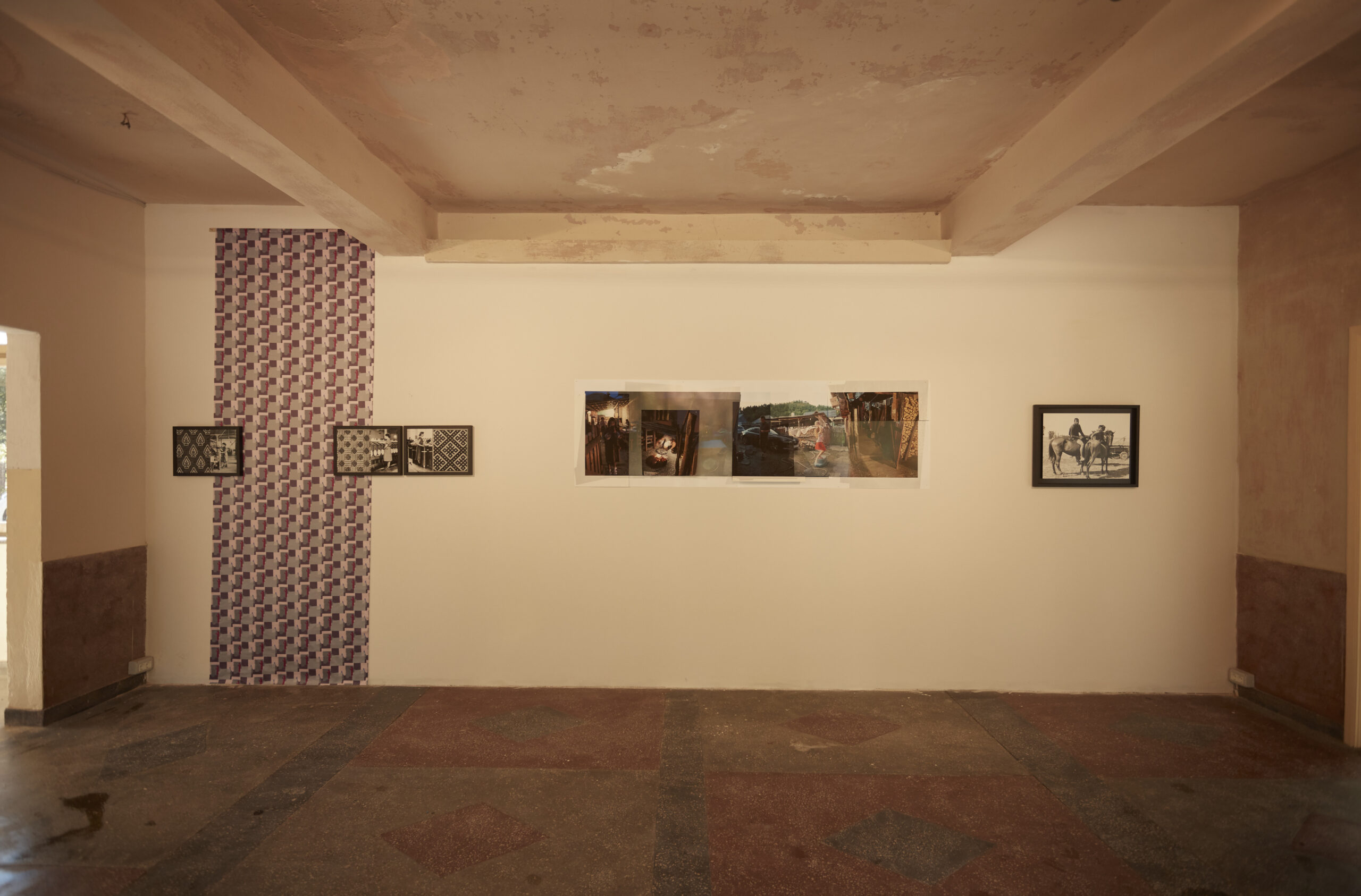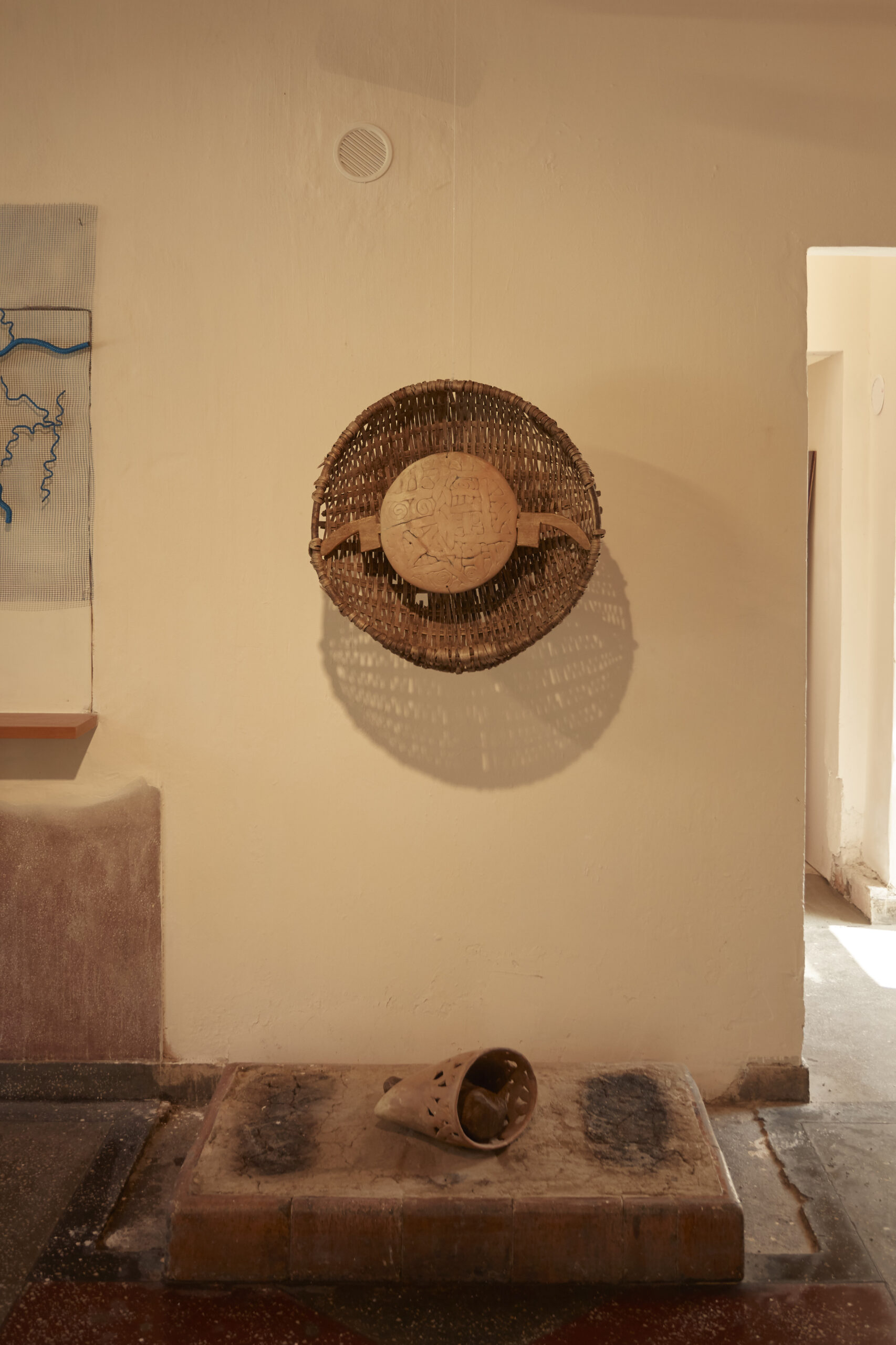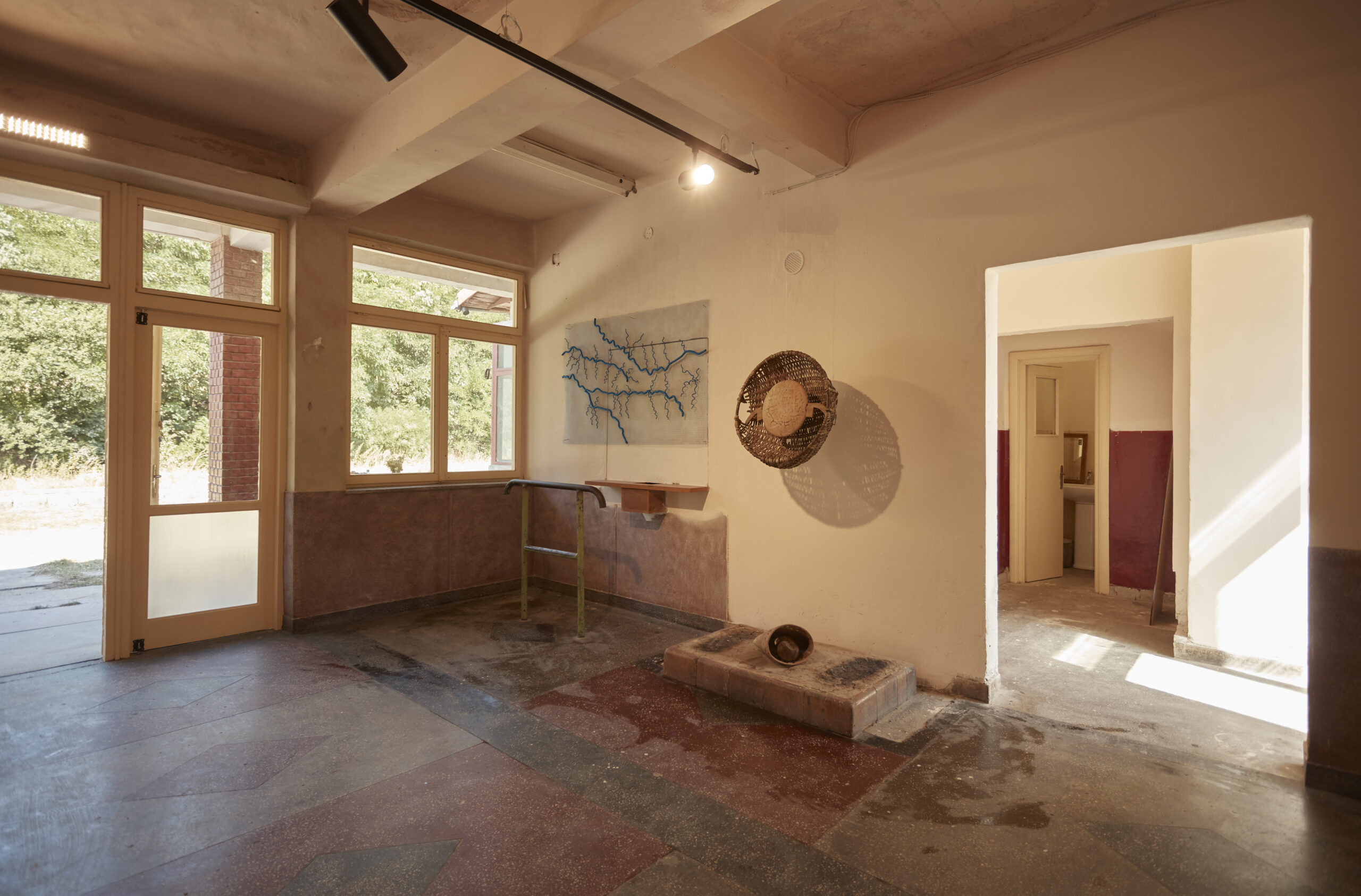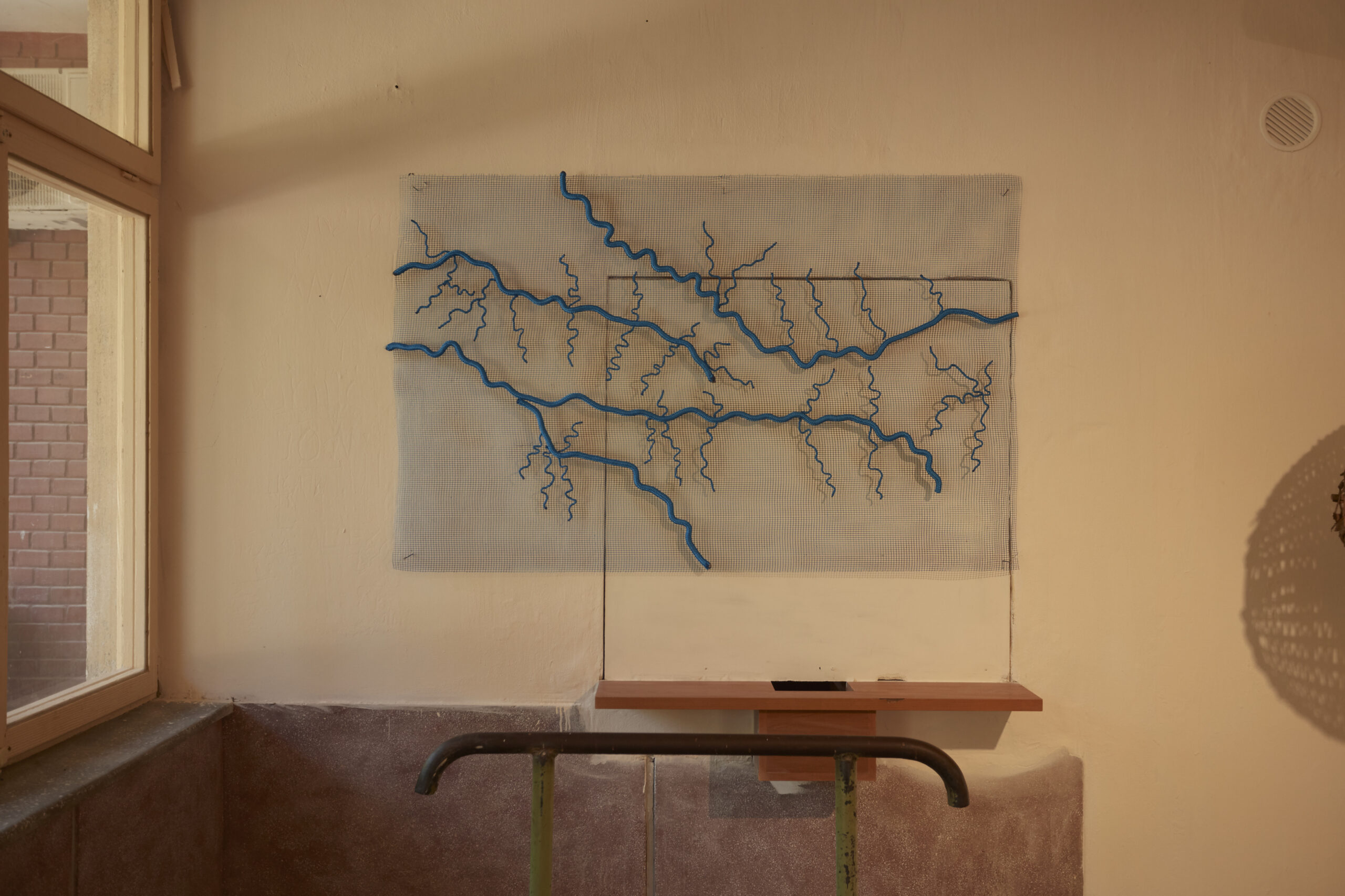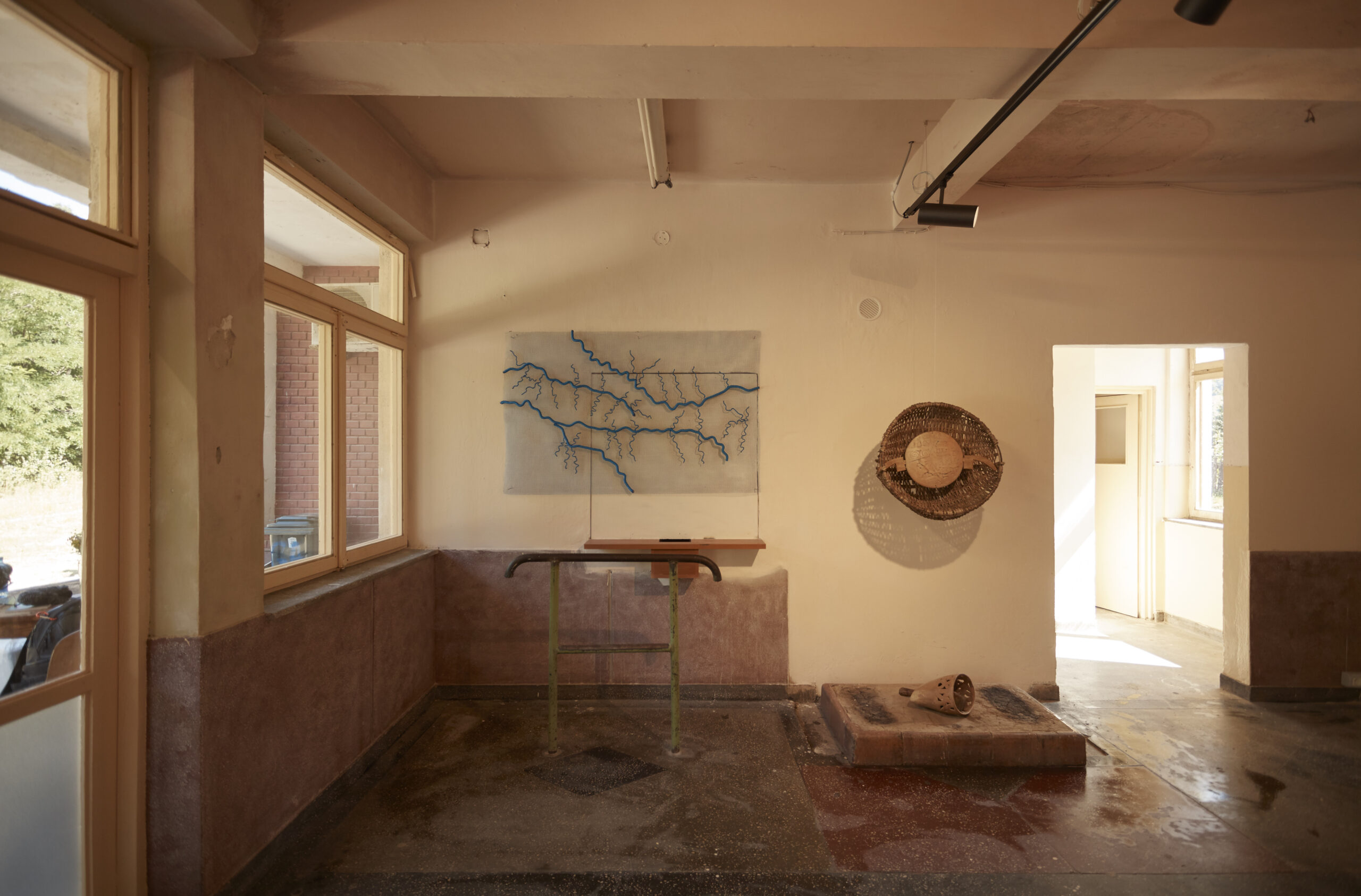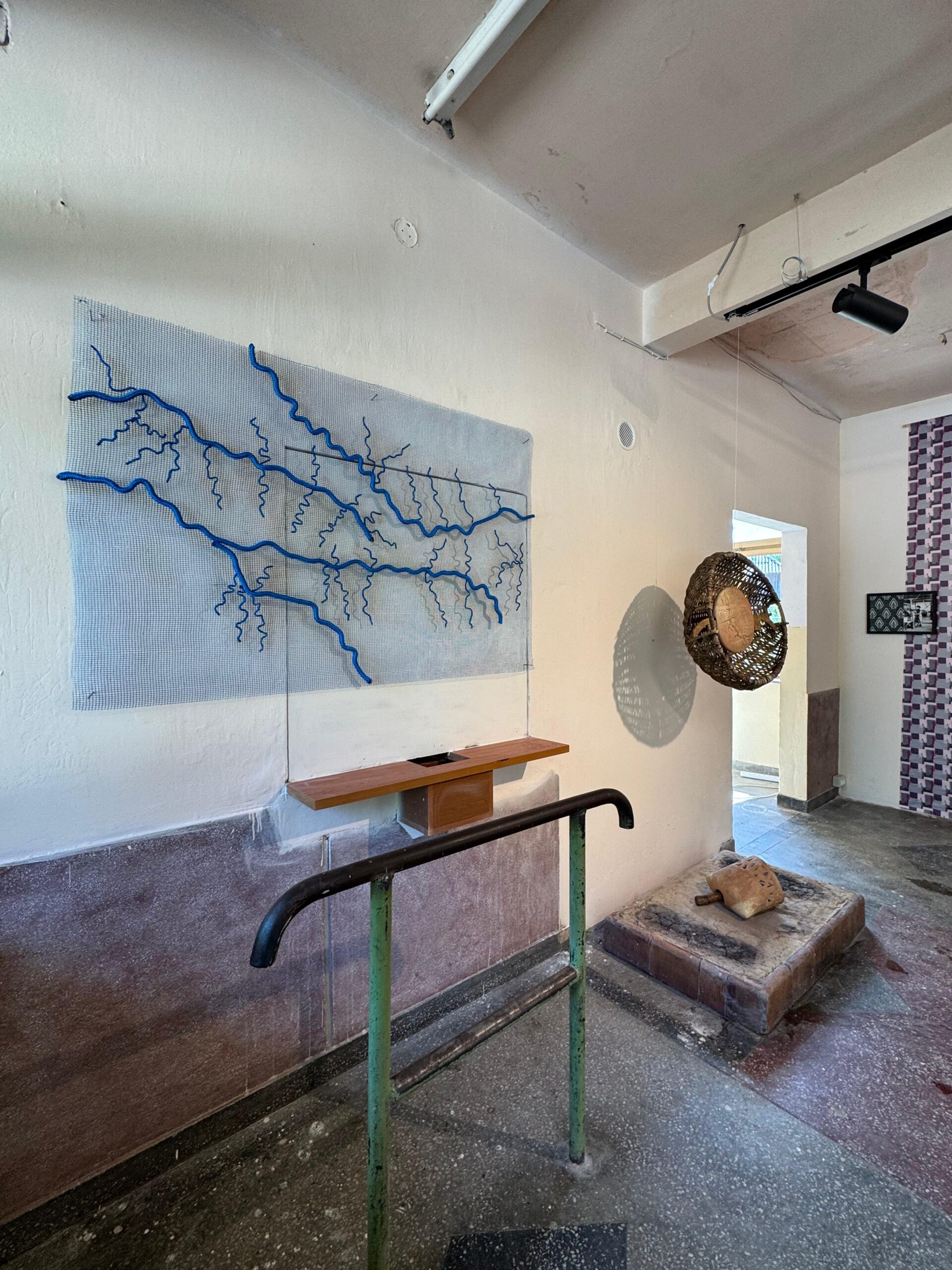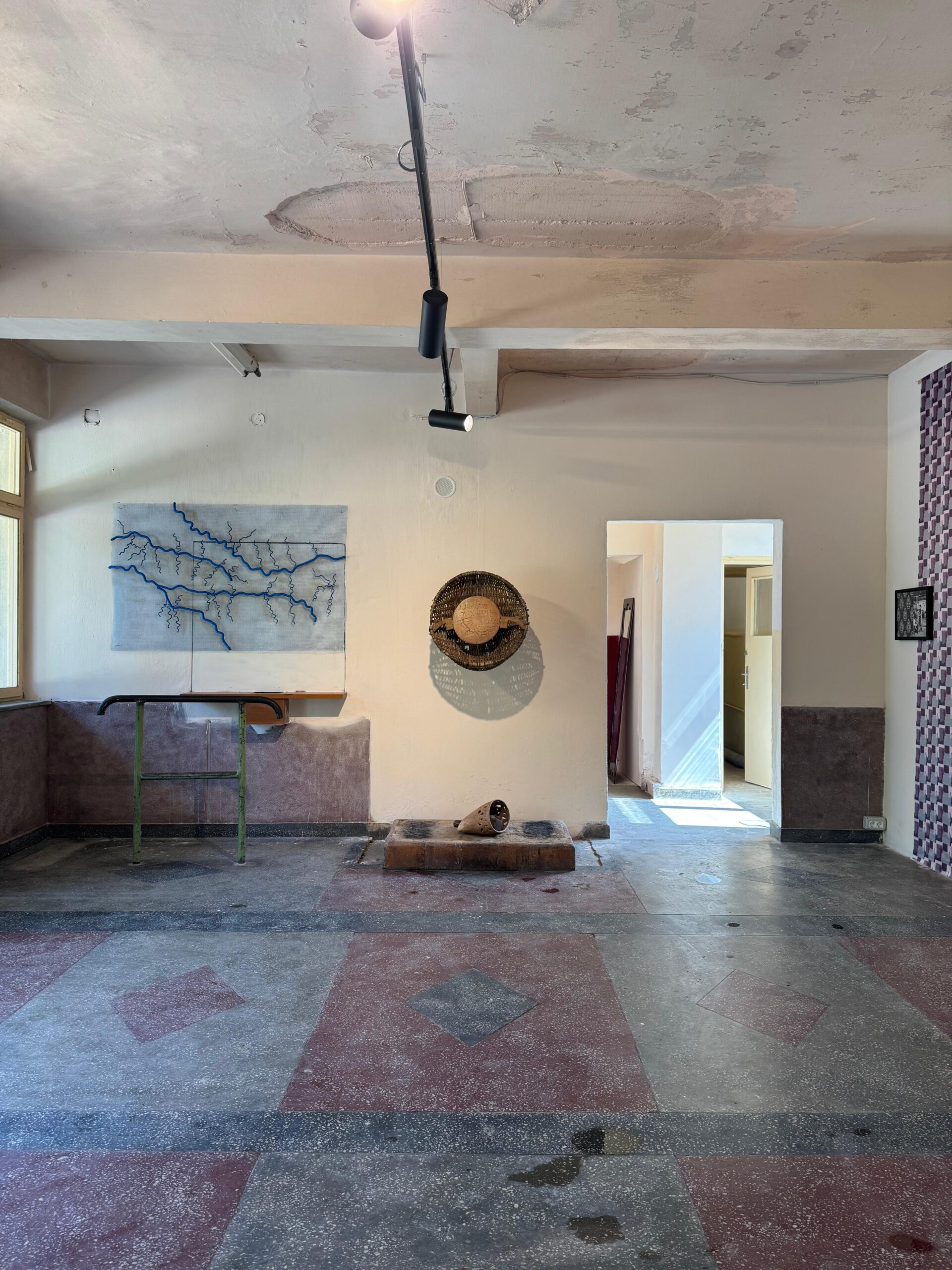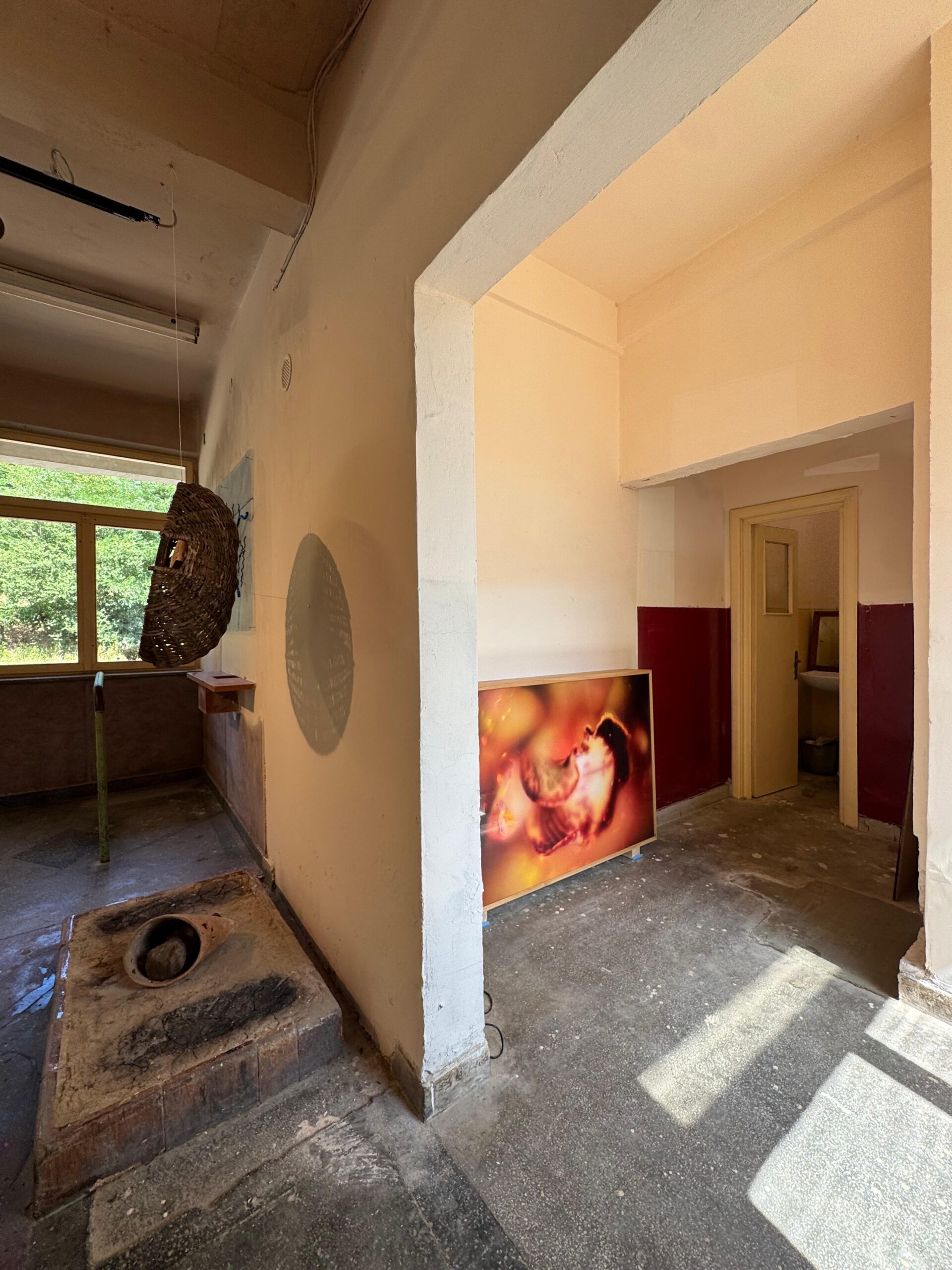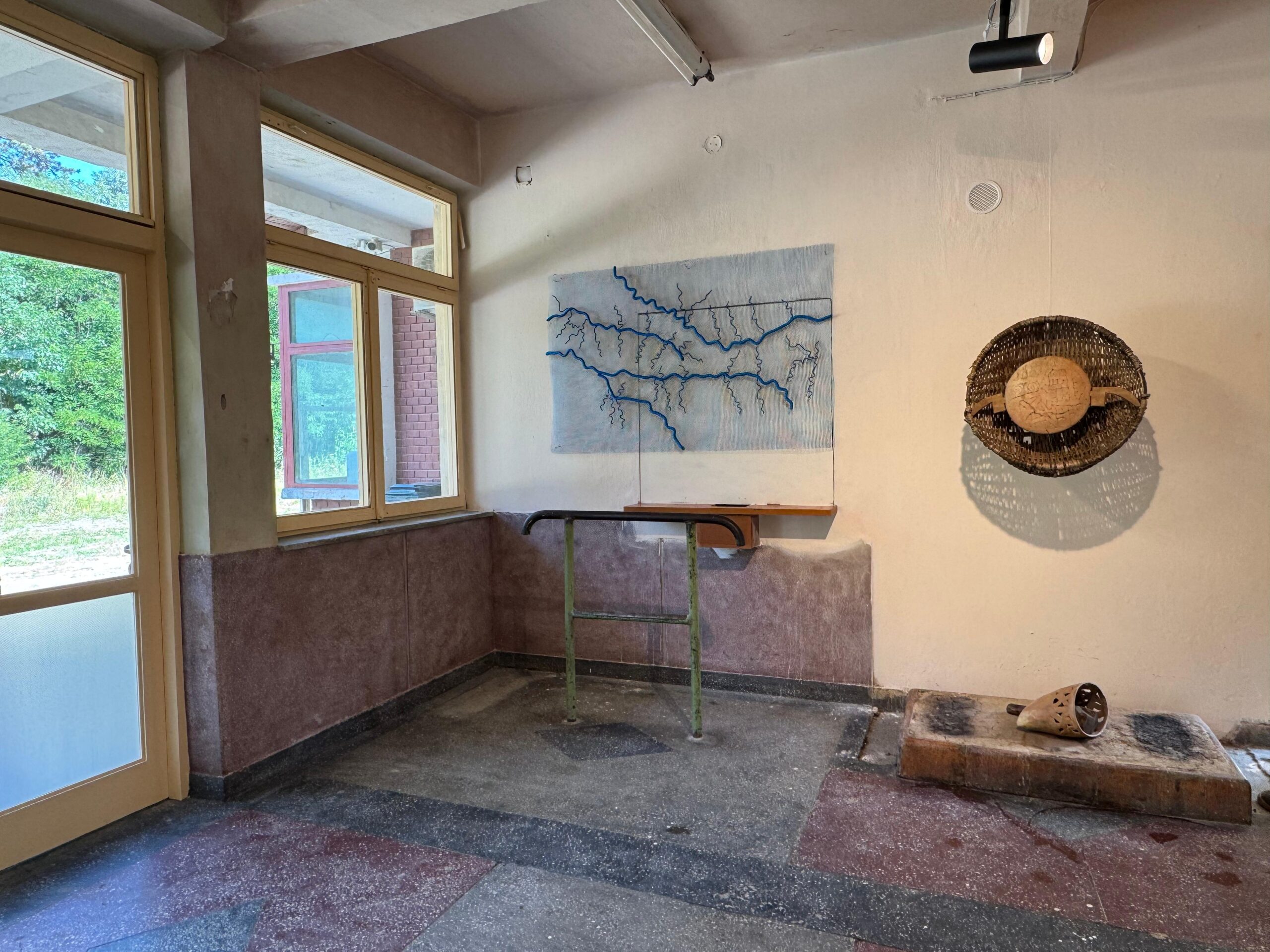
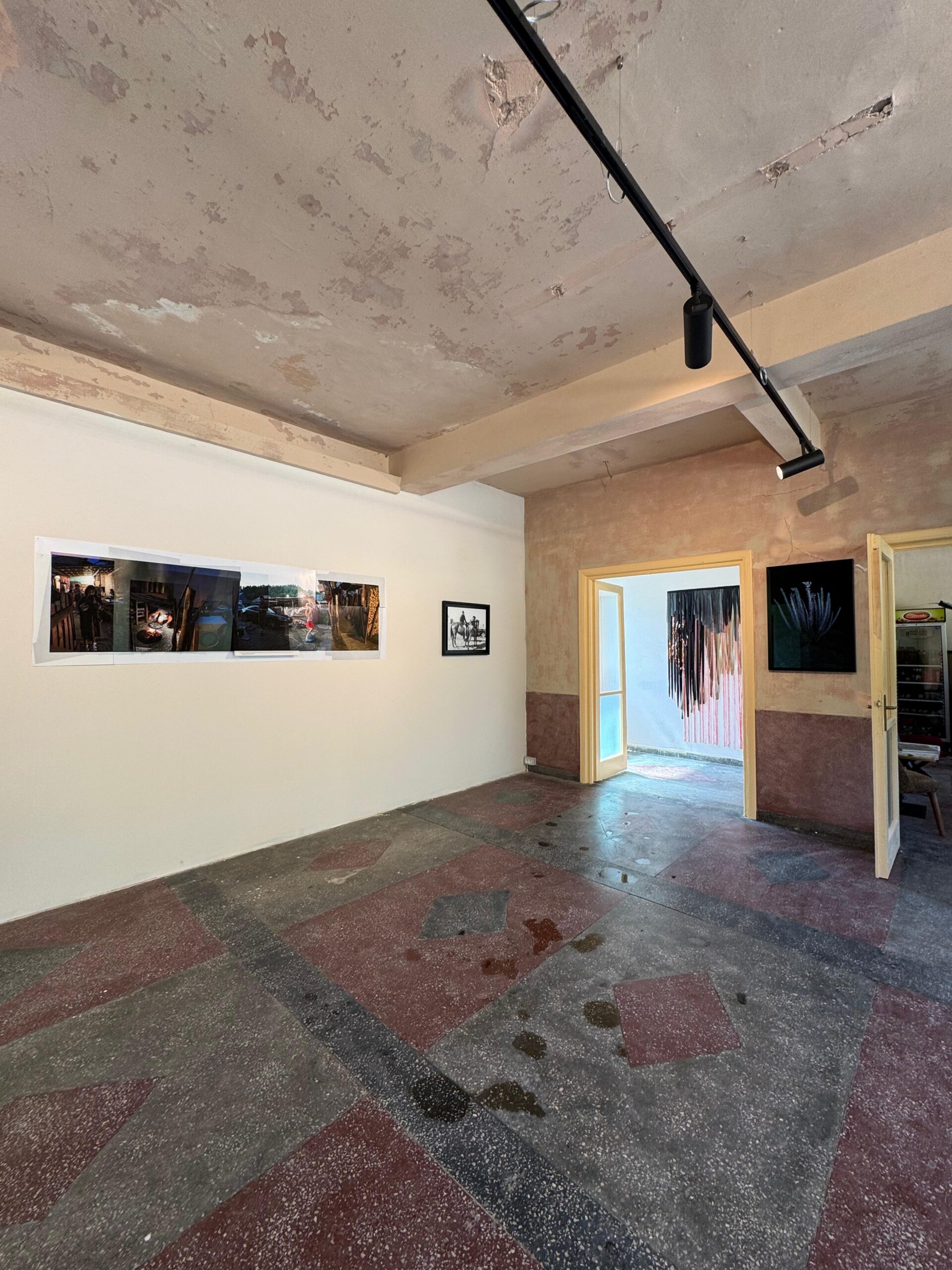
Exhibitions Room
The platform, the signal, and the curve the narrow-gauge line describes before entering Săcel were built as a device of auditory anticipation, an architecture calibrated to make a train audible long before making it visible, and decommissioning has left this apparatus intact in the field, in an acousmatic condition in the sense Pierre Schaeffer gives to listening severed from its source, where what is heard remains a sound that no longer arrives.
Gara Săcel is a technical object taken out of use that nonetheless continues to function as an instrument for measuring time: the narrow-gauge line has been decommissioned, but the periodicity it once imposed on a generation — the timetable, the signal, the wait on the platform — has sedimented into the bodies that inhabited it and redistributed itself into other rhythms, those of the Iza’s water, which never needed the running of trains to keep its cadence, those of the sewing hand and the potter’s wheel, technologies of continuity that never knew a closing date. What the exhibition brings into question is precisely this gap between the visible infrastructure, which can be abandoned by an administrative decision, and the embodied infrastructure of which AbdouMaliq Simone writes under the formula people as infrastructure, where the function of transport, of connection, and of maintenance migrates into relations and into repeated gestures once the material support withdraws.
The working frame is rhythmanalytic in the sense Lefebvre gives the term in his last texts, that is, an attention paid to the superimposition of unequal periodicities in a single place — the hydrological cycle of the valley, the agricultural cycle, the industrial cycle imposed and then withdrawn, the biographical cycle of those who remained — and above all to that moment of arrhythmia in which one of them gives way without the whole coming apart. The station thus becomes less an exhibition container and more an apparatus of listening, a place where the sonic spatiality of the valley, in the terms Salomé Voegelin proposes for a listening that produces world rather than describing it, precedes any visual organisation of the works.
The site’s second stratum is extraction. The railway reached the valley in the service of timber and ore, and the drainage basin it crosses is mapped as a mining basin, so that the rivers here have functioned at once as arteries of transport and as receptors of discharge. Continuity therefore encompasses what cannot be celebrated as well, and becomes legible in the terms Susan Leigh Star gives to infrastructure, perceptible only at the moment of breakdown: the halt taken out of use makes visible a system that remained invisible as long as it worked, and the attention centred on repair that Steven J. Jackson describes through broken world thinking stands closer to the daily practice of this valley than any current discourse on resilience.